Reflective Insulation Service in Boulder, CO
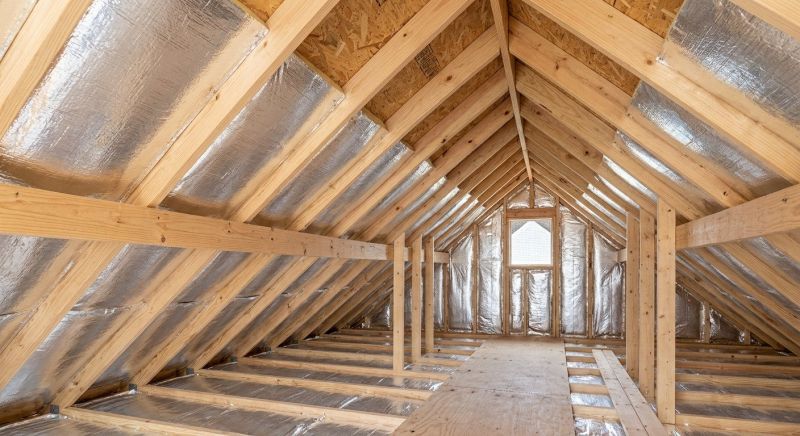
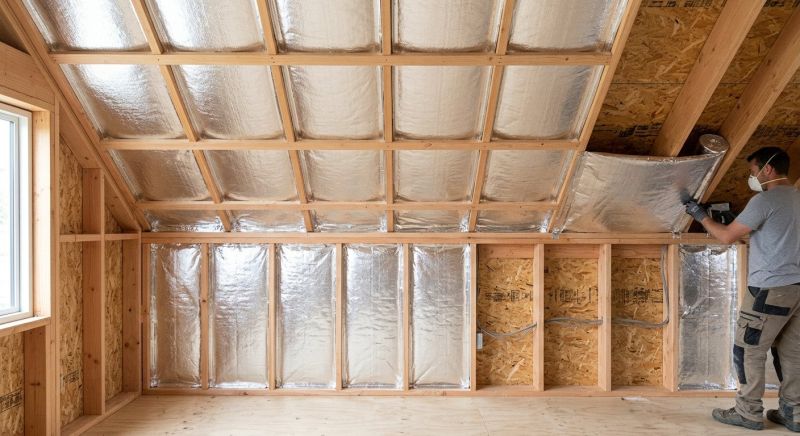
Reflective insulation services involve installing a specialized material designed to reduce heat transfer within a building. This type of insulation typically consists of reflective surfaces, such as foil, that reflect radiant heat away from living spaces. Projects often include attics, walls, and floors where controlling temperature fluctuations is desired. Homeowners considering reflective insulation usually want to understand how it can improve energy efficiency, reduce heating and cooling costs, and enhance overall comfort during seasonal changes.
Property owners interested in reflective insulation should be aware of the specific areas of their home that could benefit most from this service. It is important to consider existing insulation and the climate conditions of Boulder, CO, to determine if reflective insulation will be effective. Questions about installation procedures, compatibility with current building materials, and the expected impact on indoor temperature regulation are common. Contacting a professional can help clarify these details and ensure the insulation solution aligns with the home's needs.
Many property owners in Boulder, CO look into Reflective Insulation Service for repairs, replacements, upgrades, and appearance-related improvements.
Benefits Of Reflective Insulation
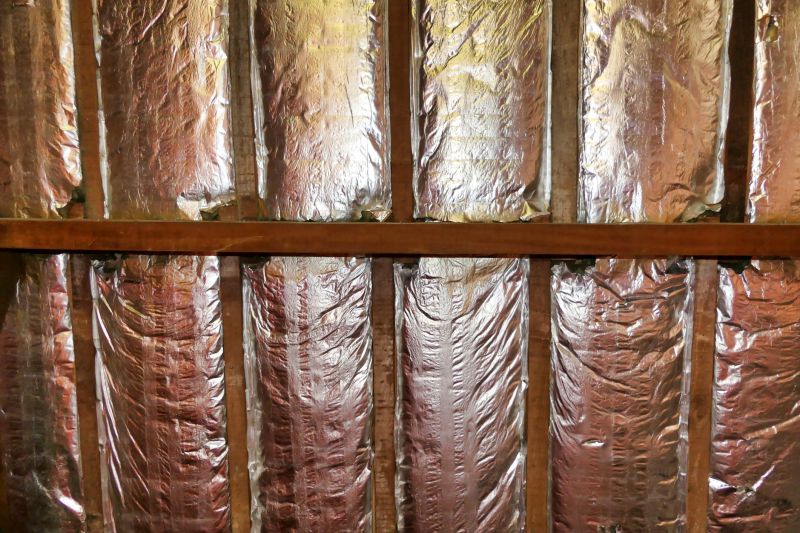
Reflective insulation helps improve energy efficiency by reducing heat transfer in attics and walls.
Common Applications
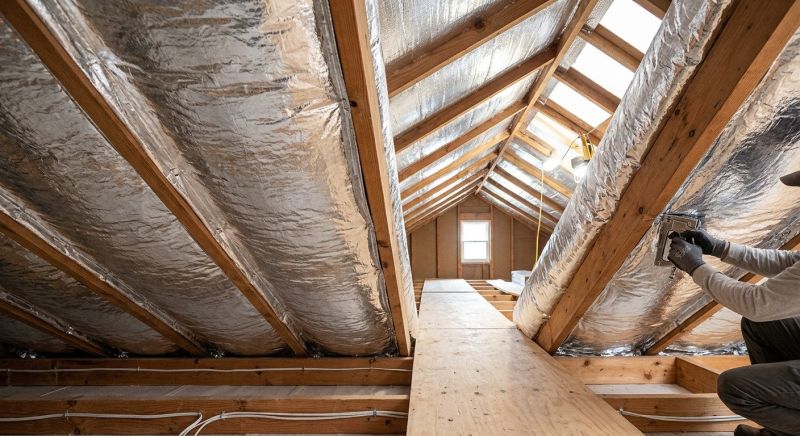
This insulation is often used in boulder homes to enhance comfort and lower cooling costs during summer months.
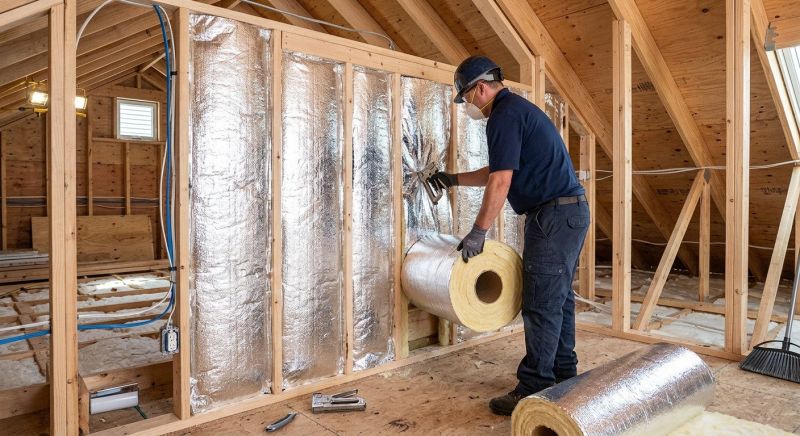
Installation Considerations
Proper installation ensures reflective insulation performs effectively in various residential and commercial projects.
Reflective Insulation Service in Boulder, CO
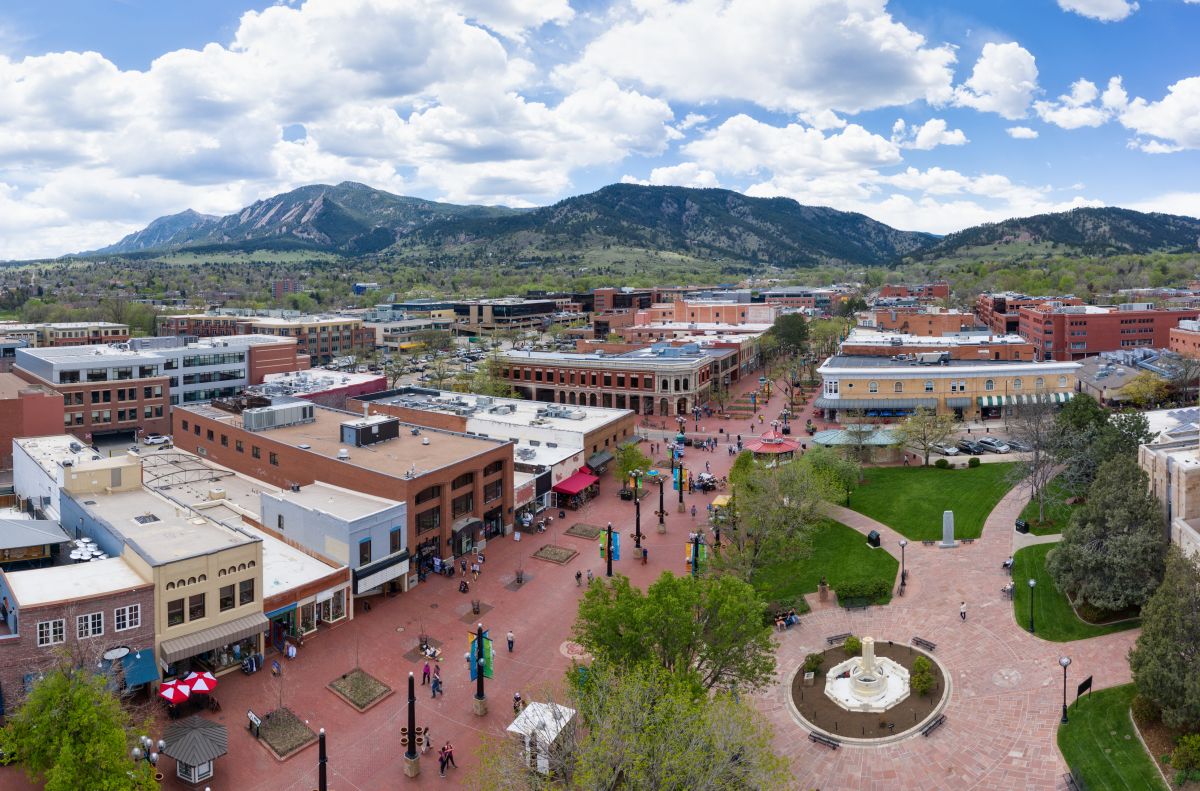
Reflective insulation services involve installing a specialized material designed to reduce heat transfer within a building. This type of insulation typically consists of reflective surfaces, such as foil, that reflect radiant heat away from living spaces. Projects often include attics, walls, and floors where controlling temperature fluctuations is desired. Homeowners considering reflective insulation usually want to understand how it can improve energy efficiency, reduce heating and cooling costs, and enhance overall comfort during seasonal changes.
Property owners interested in reflective insulation should be aware of the specific areas of their home that could benefit most from this service. It is important to consider existing insulation and the climate conditions of Boulder, CO, to determine if reflective insulation will be effective. Questions about installation procedures, compatibility with current building materials, and the expected impact on indoor temperature regulation are common. Contacting a professional can help clarify these details and ensure the insulation solution aligns with the home's needs.
Many property owners in Boulder, CO look into Reflective Insulation Service for repairs, replacements, upgrades, and appearance-related improvements.
Common Reflective Insulation Service Jobs
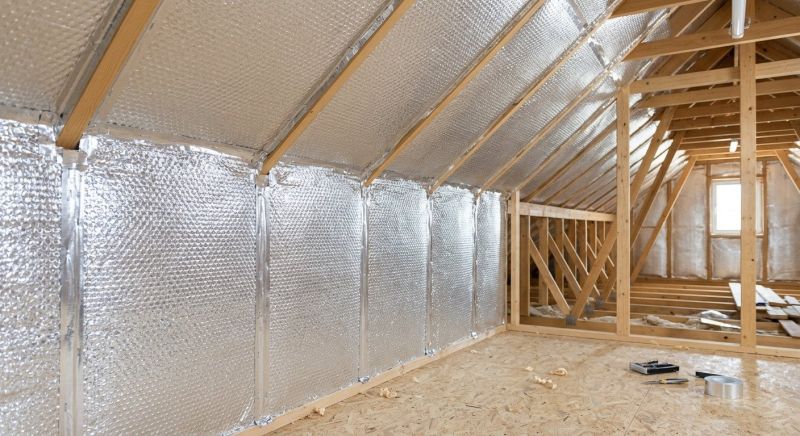
Attic insulation - enhances indoor comfort by reflecting heat and reducing energy loss.
Basement insulation - helps maintain consistent temperatures and prevents moisture issues.
Wall insulation - improves overall energy efficiency and reduces heating and cooling costs.
Roof insulation - reflects radiant heat away from the living space to keep interiors cooler.
Commercial insulation - provides effective thermal barriers for business properties and warehouses.
Industrial insulation - designed for large-scale projects to improve temperature control and energy savings.
Reflective Insulation Service Questions
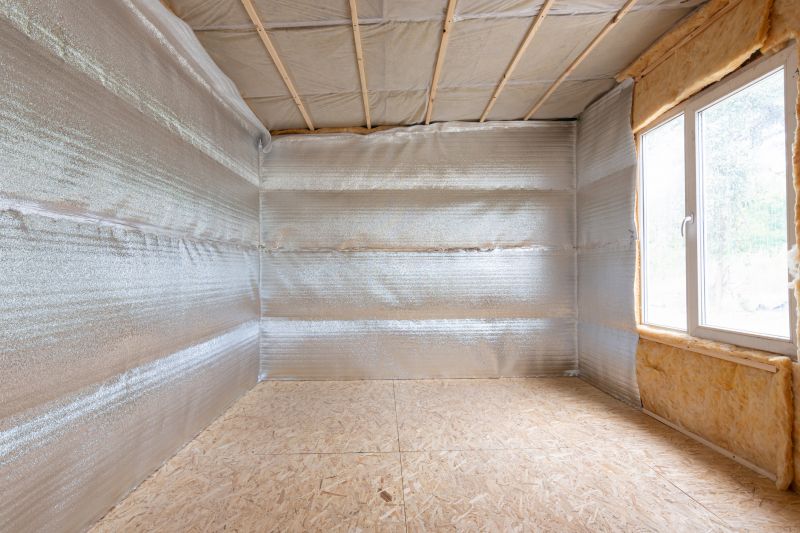
What is reflective insulation used for? Reflective insulation helps reduce heat transfer by reflecting radiant heat away from living spaces, improving energy efficiency.
Can reflective insulation be installed in existing homes? Yes, it can be added to existing walls, attics, or ceilings to enhance insulation performance.
What types of projects benefit from reflective insulation? Attic insulation, wall insulation, and retrofit projects are common applications for reflective insulation.
How does reflective insulation differ from traditional insulation? Reflective insulation primarily reflects radiant heat, while traditional insulation mostly resists conductive and convective heat transfer.
Request Reflective Insulation Service in Boulder, CO
Use the quote form on this page to share the basics of your project and request more information for the type of work you need.