Spring Planning for Thermal Insulation Installation Projects
Spring is the perfect time for property owners to upgrade thermal insulation with trusted local contractors, enhancing comfort and energy efficiency for seasons ahead.
Spring is often regarded as an ideal time to consider thermal insulation installation because it offers a practical window for planning and completing home improvement projects before the more demanding summer months. During this season, property owners can evaluate their current insulation needs, take advantage of milder weather for easier access to attics, walls, and crawl spaces, and prepare for the upcoming season’s temperature fluctuations. Additionally, spring provides an opportunity to make upgrades that can improve energy efficiency and comfort throughout the year, ensuring homes are better prepared for the heat or cold that may follow.
Typically, thermal insulation services cover a range of work aimed at reducing heat transfer within a property. This includes installing or upgrading insulation in attics, walls, basements, and crawl spaces to improve overall energy efficiency. Service providers may also assess existing insulation to identify areas where it has become less effective over time or where moisture and pests have caused damage. Proper installation not only helps maintain consistent indoor temperatures but can also contribute to lower heating and cooling costs, making it a practical investment for property owners seeking long-term comfort and savings.
When comparing local contractors for insulation installation, property owners should consider factors such as experience, reputation, and the scope of services offered. It’s beneficial to review the types of insulation materials each provider recommends and their approach to installation, ensuring it aligns with the specific needs of the property. Asking for references or viewing previous work can also provide insight into the quality of service. By evaluating these aspects, property owners can identify trusted service providers capable of delivering effective insulation solutions that meet their goals for comfort and energy efficiency.
Compare local contractors' expertise and experience to find the best fit for your spring insulation upgrade.
- Expert Thermal Insulation Installation - Local contractors can assess your space and recommend suitable insulation options for improved energy efficiency.
- Springtime Insulation Upgrades - Installing or upgrading insulation during spring helps prepare your home for seasonal temperature changes.
- Professional Insulation Solutions - Service providers ensure proper installation techniques to maximize insulation performance and durability.
- Customized Insulation Services - Local pros offer tailored solutions to meet the specific needs of your home or building.
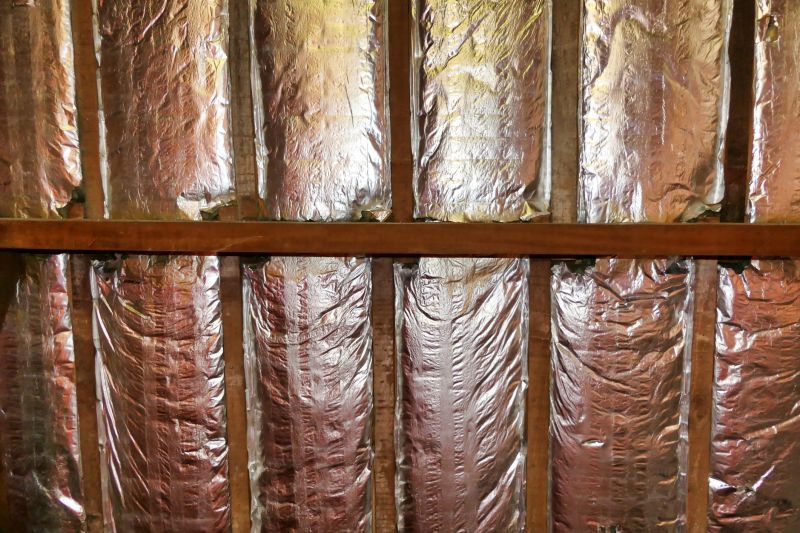
Begin your spring insulation project by clearly describing your needs before comparing local contractors and their options.
- Inspect existing insulation to identify areas that need reinforcement or replacement. - Ensure that insulation is properly installed without gaps, compression, or voids that can reduce effectiveness.
- Check for any signs of moisture or water damage that could compromise insulation performance. - Look for mold, staining, or dampness that may require additional repairs before installation.
- Assess accessibility of attic, walls, or floors to determine the best approach for insulation installation. - Confirm that local contractors can access all areas safely and efficiently.
- Evaluate the type of insulation suitable for the space, such as fiberglass, foam, or cellulose, based on existing conditions. - Consult with service providers about the most effective insulation options for spring installation.
- Verify that the insulation materials meet relevant safety and fire standards for the home environment. - Discuss with local pros to ensure compliance and optimal performance.
- Plan for proper ventilation and sealing to maximize insulation benefits during the spring season. - Coordinate with service providers to address air leaks and improve overall energy efficiency.
Explore how local contractors can help improve your home’s thermal insulation this spring season.
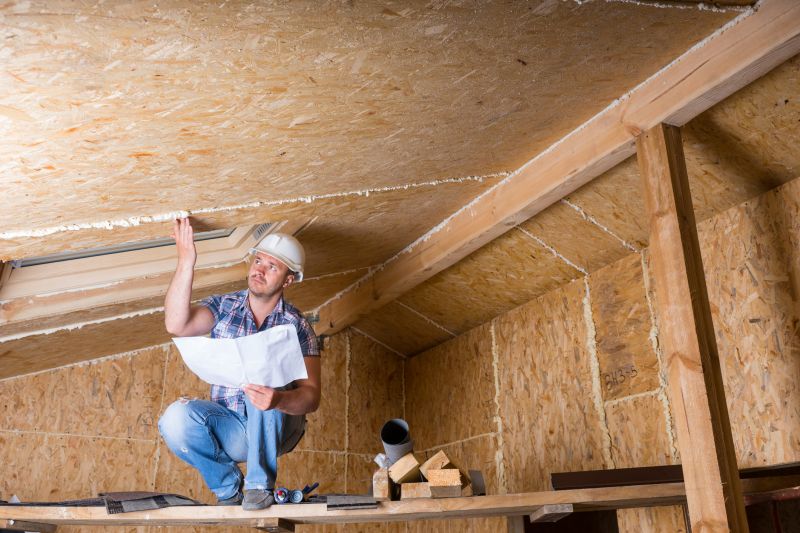

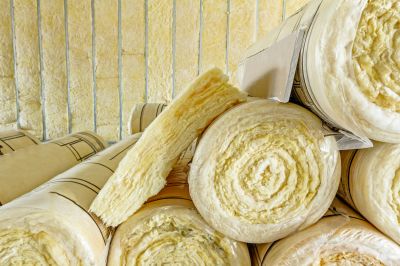
Prioritize your insulation needs and compare local contractors to find the best fit for your spring project.
- Assessing insulation needs - Spring is an ideal time to evaluate existing wall and attic insulation to identify areas for improvement. Local contractors can help determine the best insulation options for energy efficiency.
- Upgrading attic insulation - Installing new or additional attic insulation can improve indoor comfort and reduce energy costs during the warmer months. Service providers can handle the removal of old insulation and the installation of new materials.
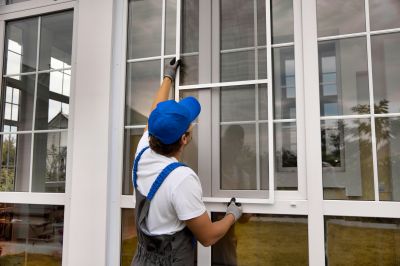
- Sealing air leaks - Spring projects often include sealing gaps around windows, doors, and vents to prevent heat transfer and improve insulation effectiveness. Experienced pros can identify and seal leaks to enhance overall home insulation.
- Adding insulation to crawl spaces - Improving insulation in crawl spaces can prevent heat loss and moisture issues, making homes more comfortable. Local service providers can install insulation suitable for these often hard-to-reach areas.
- Insulation inspection and maintenance - Spring offers a chance to have insulation systems inspected for damage or settling, ensuring they perform properly throughout the year. Professionals can recommend repairs or upgrades as needed.
Compare local contractors' insulation installation approaches to ensure consistent standards across providers for your spring project.
- Material Selection - Define the appropriate types and R-values of insulation suitable for the specific building area.
- Surface Preparation - Ensure surfaces are clean, dry, and properly accessible for insulation installation.
- Installation Method - Specify the correct techniques for installing insulation to achieve proper coverage and performance.
- Sealing and Gaps - Identify areas where air leaks may occur and determine methods to seal and insulate effectively.
- Compliance and Standards - Confirm installation practices adhere to relevant building codes and industry standards.
When comparing service providers for thermal insulation installation during the spring season, it’s important to consider their experience with similar projects. Homeowners should look for local contractors who have a track record of successfully completing insulation work on residential properties comparable to their own. An experienced provider will understand the nuances of different insulation types, building structures, and seasonal considerations that can impact installation quality and durability. This background can help ensure that the chosen professional is well-equipped to handle the specific needs of the home and the springtime environment.
Clarity in the scope of work is a key factor when evaluating potential service providers. Homeowners should seek out local contractors who can clearly articulate what the installation process will include, such as the types of insulation to be used, areas to be covered, and any preparatory or finishing work involved. A well-defined scope helps prevent misunderstandings and ensures that both parties share expectations from the outset. Clear communication about the project details also provides a foundation for assessing how well a contractor understands the homeowner’s goals and requirements.
Work planning considerations are especially relevant during spring, when weather conditions can influence scheduling and project execution. Homeowners should inquire about how local contractors plan their insulation installations around springtime variables such as fluctuating temperatures, rain, and wind. Experienced service providers will have strategies in place to optimize work windows, protect unfinished areas from weather, and coordinate the project timeline effectively. Understanding their planning approach can help homeowners gauge the professionalism and reliability of the contractor’s project management.
When evaluating options, it’s useful to focus on the contractor’s approach to project planning, communication, and experience rather than price alone. Homeowners can compare how each local pro discusses their methods, the level of detail provided, and their familiarity with spring-specific challenges. Considering the contractor’s ability to deliver a thorough, well-organized plan can lead to better project outcomes. This approach helps ensure that the selected service provider is capable of managing the insulation installation efficiently, with attention to detail and seasonal considerations that support a successful springtime upgrade.
Request written details to ensure scope clarity when comparing local contractors for your spring insulation project.
- What should be included in the scope of a spring thermal insulation project? - How do different local contractors compare in their approach to insulation installation? - What factors should be clarified when selecting insulation materials for spring upgrades? - How can homeowners ensure the scope of work covers all necessary insulation areas? - In what ways do local service providers differ in their methods for spring insulation improvements?
Why should I consider thermal insulation installation in spring? Spring is a good time to upgrade insulation as it can improve energy efficiency during the warmer months and prepare your home for the upcoming heating or cooling seasons. Local contractors can help assess your needs and recommend suitable insulation options.
What types of insulation are commonly installed by local service providers? Common options include fiberglass batts, spray foam, and blown-in cellulose. Local pros can advise on the best type based on your home’s structure and insulation goals.
How can thermal insulation improve my home's comfort? Properly installed insulation helps maintain consistent indoor temperatures, reducing drafts and hot or cold spots, which can lead to increased comfort throughout the year.
What should I consider when planning insulation installation in spring? Consider factors like existing insulation levels, areas that need improvement, and the type of insulation suitable for your home. Local contractors can provide assessments and tailored recommendations.
Is spring a good season for insulation upgrades compared to other times of the year? Yes, spring often offers favorable weather conditions for installation work, making it a practical time to improve your home's thermal barrier without the extreme temperatures of summer or winter.
How do I find local contractors for thermal insulation installation? Use trusted lead generation services to compare and connect with reputable local service providers experienced in insulation installation projects in your area.
Spring is an ideal time to consider thermal insulation installation, helping to improve energy efficiency and comfort as the seasons change. Visitors have learned about the benefits of proper insulation, the importance of choosing experienced local contractors, and the key factors to consider when planning their project. To explore options and find service providers that match specific needs, using the quote form can provide a helpful starting point for comparing local choices.
Connecting with qualified local contractors through the quote form makes it easier to gather information and compare services tailored to springtime insulation projects. This process can assist in identifying the right professionals to handle the job, ensuring the work aligns with individual preferences and requirements.
Providing clear details about your thermal insulation installation project helps local contractors understand your needs and prepare effectively.
- Insulation Materials - Share details about the types of insulation materials preferred or already available for the project.
- Installation Areas - Specify the rooms or spaces where thermal insulation installation is needed.
- Existing Insulation - Describe the current insulation setup and any issues or upgrades required.
- Project Goals - Outline the desired outcomes or improvements sought through insulation installation.